September 3, 2026
Environmental Groups Call for Fair, Consumer-Friendly Time of Use Electric Rates
September 3, 2026 – Seven climate, environment, and consumer-protection organizations submitted joint comments to the Massachusetts Department of Public Utilities (DPU) calling for responsible design and implementation of time of use rates. Together, Acadia Center, Conservation Law Foundation, Environmental League of Massachusetts, Newton Energy Commission, Planning Office for Urban Affairs, Rewiring America, and Vote Solar urged the DPU to adopt customer protections and strategies to manage peak electric demand and reduce consumer costs. In June, the DPU invited interested parties to respond to Docket 26-62 regarding Massachusetts’ developing approach to time of use rates.
What are time of use (TOU) rates?
Electricity costs vary throughout the day, costing the most when everyone uses it at once—usually between 4PM and 8PM—because the grid is running additional, more expensive power plants to meet demand, and poles and wires are sized to handle these highest use hours. Today, most Bay Staters pay one flat price no matter when they use power. Time of use rates charge customers for energy consumption based on the cost of their usage. Customers pay less during cheap hours and more during the most expensive hours.
TOU rates allow customers to lower their bills by shifting energy use to lower-cost times of day. Because we pay to build and maintain a grid sized to meet peak demand, shifting usage helps the state avoid expensive infrastructure upgrades that raise monthly energy bills. Peak energy demand hours are also the most carbon-intensive; shifting our use is good for both reducing bills and reducing emissions.
The commenters recognize, however, that variable rates must be designed with customers in mind. As noted, “when they are implemented without adequate customer education, they risk both harming customers and facing significant backlash, which can defeat the rate.”
As a result, the commenters submitted recommendations prioritizing:
Transparency and Consumer Protections
Due to household budgets, medical necessities, and work schedules, not every household can move its electricity use to off-peak hours. The groups recommended the DPU prioritize consumer protections, including:
- Study different scenarios: Utilities should show how the new rates change bills for different households, not just an average customer, to prevent undue burdens on particular groups.
- Opt-out options: Every customer should be able to opt-out and return to the flat rate.
- Flexibility: Give low-income customers the lower of their two options (either a flat rate or time of use rate)
- Exemptions: Consider exemptions for certain customers, such as those who rely on medical equipment and residents in buildings with a single, shared meter.
- No surprises: Show customers the comparisons before switching their rate
“As people struggle with higher than ever utility bills, we need to explore every tool that can help keep energy costs down for customers,” says Jocelyn Lee, CLF Staff Attorney. “If done correctly, this policy can cut costs, help us upgrade to clean, electric technology, and reduce polluting emissions. But it’s critical we don’t leave anyone behind or paying more than they did before. There’s a way to craft this policy so that everyone, no matter who you are, where you live, or how much you make, benefits – and the Department of Public Utilities must make sure this policy delivers for everyone.”
Rate Design
The groups recommended the Department make time of use rates the standard option, with a right to opt-out. The rate should include three periods: peak, off-peak, and a cheapest overnight window. Finally, the groups argued that a single, consolidated peak period from 4:00 pm – 8:00 pm strikes a balance between cost-reflectiveness and bill simplicity in a transition to time of use rates from fixed, flat rates.
“I support the joint advocate comments in DPU 26-62 because time-varying rates must protect low-income, medically vulnerable, and moderate-income families who get no discounts and cannot afford load-shifting technology,” said Mary Wambui, Director of Asset Management, Resident Affairs, and Energy at the Planning Office for Urban Affairs. “Default opt-out enrollment risks pushing these households into higher bills and unsafe load-suppression, so real safeguards and a clear opt-out path are essential.”
Modernizing Utility Operations
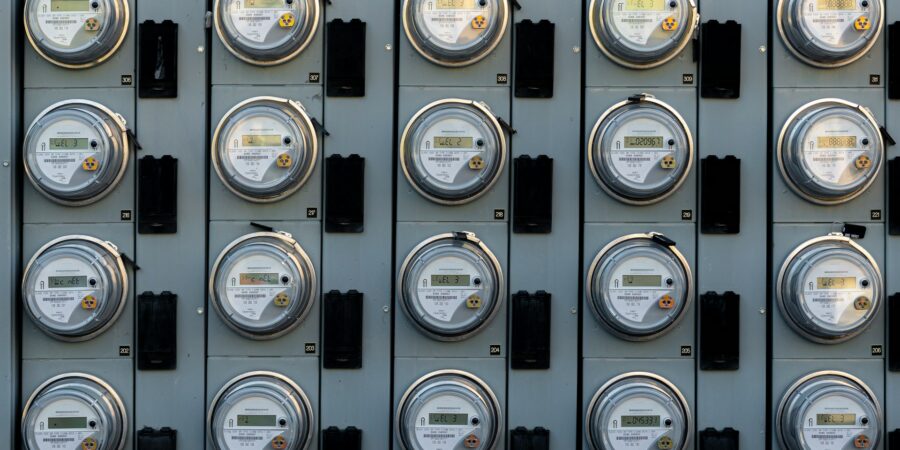
Massachusetts customers have already paid for and are beginning to receive new smart meters. Now we need to make sure utilities get the most value for customers out of them. The groups submitted comments seeking utilities to be required to:
- Report accurate data to ISO-NE so customers can save money when they shift their usage
- Upgrade utility billing systems so they can implement necessary consumer protections
- Share data about usage efficiently and in a format that lets energy suppliers, municipal aggregators, and ISO-NE market participants create rates and programs that save customers more money.
“Right now, smart meters are rolling out across the Commonwealth – a significant investment that requires forward-thinking planning and smart regulations,” said Dave Gottschalk, Regulatory Counsel at the Environmental League of Massachusetts. “The Department of Public Utilities can and should direct utilities to optimize their system to better serve communities, the environment, and a 21st century grid.”
“At a time when ratepayers are rightfully concerned about affordability, maximizing the value of our existing grid remains essential,” said Noah Berman, Utility Innovation Program Manager at Acadia Center. “Time-varying rates give the Commonwealth the opportunity to build a leaner and nimbler grid that delivers for all.”
Public Engagement and Accountability
The commenters asked the Department to prioritize low-income household access to technologies and appliances that will give customers control over their energy bills. This includes:
- Advancing programs that install and enable thermostats, batteries, and smart chargers in low-income households
- Directing utilities to reach customers in straightforward, plain language, in multiple languages, and through various communications channels; and to partner with trusted community groups
- Implementing a transition ahead of the peak seasonal demands of summer or winter
“As the cost of living continues to rise and families face growing energy costs, modernizing the grid must go hand in hand with affordability and accountability,” said Vote Solar’s Senior Regulatory Director of the Northeast, Lindsay Griffin. “If Massachusetts asks households to adapt how and when they use electricity, customers need the information and tools to make choices that can genuinely reduce their energy costs. But we cannot assume every household has the same flexibility or ability to respond to price signals. These changes must be paired with strong consumer protections so that the benefits of a modernized grid are accessible to everyone.”
About Acadia Center
Acadia Center is a nonprofit organization with over 25 years of experience dedicated to advancing transformative clean energy solutions that promote a livable climate and a more equitable economy in the Northeast United States and neighboring areas. Through rigorous data analysis and strategic partnerships, Acadia Center advocates for policies that significantly reduce carbon emissions and address systemic energy challenges. By collaborating with governments, industries, and communities, Acadia Center’s pragmatic strategies help to ensure an inclusive and sustainable energy future for all.
About Conservation Law Foundation
For 60 years, CLF has taken on powerful opponents who would pollute our air and water and squander our resources. Our deep local knowledge, legal acumen, and policy expertise make us a prime mover in building our clean energy future, countering climate change, and safeguarding our communities.
About Environmental League of Massachusetts
Formed in 1898, the Environmental League of Massachusetts advocates for policy that meets the scale and urgency of our environmental challenges. We champion innovative solutions and employ thoughtful advocacy to address the climate crisis, improve the health of our communities, and invest in a thriving clean energy economy.
About Vote Solar
Vote Solar is a nonprofit advocacy organization working to advance state-level policies that make solar solutions accessible to all. Since 2002, Vote Solar has worked to build an equitable clean energy future by leveraging deep policy expertise, strategic partnerships, and public engagement. In the face of powerful opposition, Vote Solar champions bold solutions that expand clean energy access, drive investment in frontline communities, and accelerate the transition to 100% clean energy.