Over our 126 year history, we’ve shaped nation-leading policies for conservation and climate change
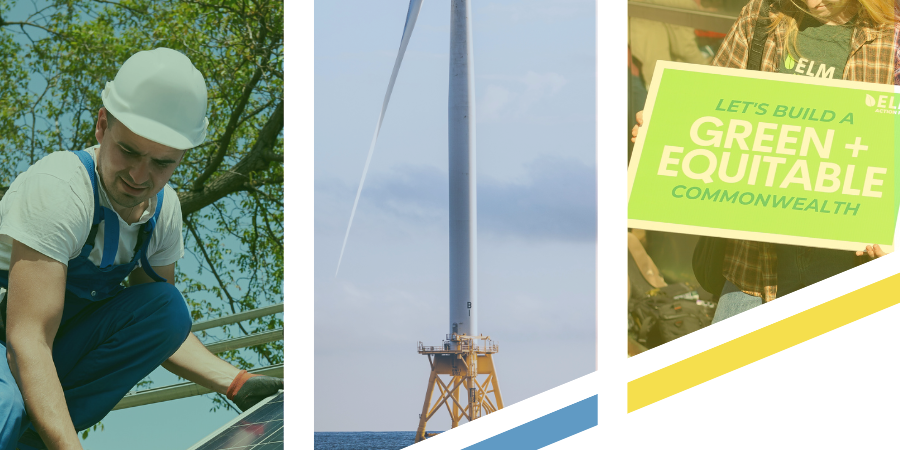
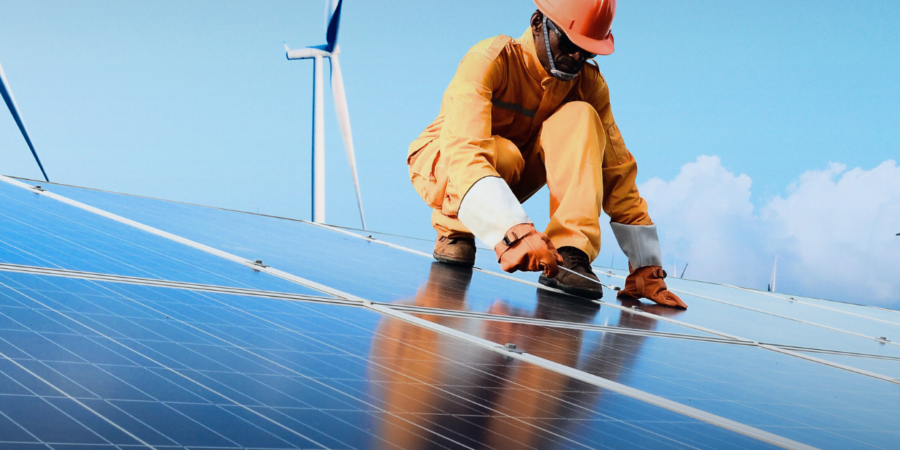
More About Our WorkTransitioning to clean energy is essential for creating a healthier Commonwealth and a thriving economy.
Read MoreIn order for all of Massachusetts to flourish, we must intentionally rectify unfair burdens placed upon environmental justice communities and cultivate an inclusive clean energy workforce.
Read MoreEnvironmental agencies deserve resources to address their urgent and increasing responsibilities.
Read MoreGet Involved
Invest in ELM
Sign Up to Stay Connected
About ELM
Discover our virtual 2023 Annual Report
ELM’s and the ELM Action Fund’s interactive FY23 Annual Report showcases our achievements, our vision and goals, and our generous supporters.
Getting to Net Zero
The Next Generation Roadmap Act requires MA to reduce our greenhouse gas emissions by at least 50% by 2030.
To make sure we are on track, we are monitoring deadlines included in the law to determine if we are meeting them or lagging behind.
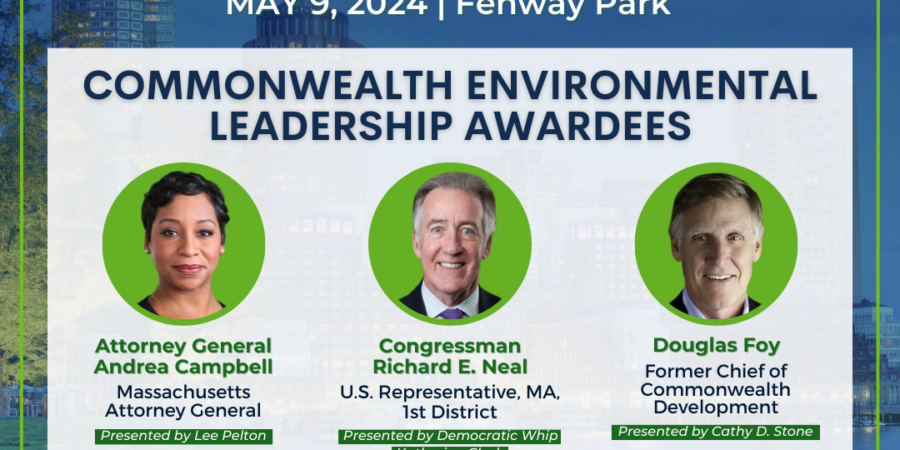
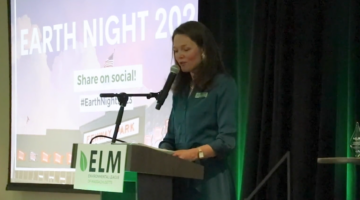
Earth Night 2024
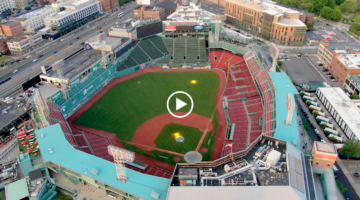
ELM invites you to join us for our 2024 Earth Night celebration on May 9 at Fenway Park’s 521 Overlook.
Building on our most successful 2023 Earth Night, we look forward to gathering with you during this pivotal year for climate action. At the event, we will present the 2024 Commonwealth Environmental Leadership Awards to our three honorees: Attorney General Andrea Campbell, Congressman Richard E. Neal, and Douglas Foy.

Making MA the Global Epicenter for Climatetech
The 2024 economic development bond is a first-of-its-kind opportunity to integrate climate and clean energy priorities into the Commonwealth’s strategy for economic growth.
Passing a robust bond this session will attract private capital, amplify innovation, and build the infrastructure and workforce needed to make Massachusetts a global epicenter for climate solutions.